

Recently I said goodbye to my therapist who I’ve been seeing for the last five years. We started working together because, post pandemic, life was feeling a little too much. I was questioning a lot of things in my life, and I felt quite low and alone with it all. I’ve had therapy in the past, and I knew it would be helpful to have a safe space to discuss all the noise in my head.
To start with, I had a lot of material I wanted to talk through. As time went on, big life events ended up taking place which meant I was grateful to have that consistent space to process these. Towards the end though, I noticed that I didn’t really have much to discuss anymore. Yes, life was still challenging, but I seemed to be processing things in a more helpful, accepting way. When I noticed my therapist checking his phone in one of my last sessions, I knew that maybe it was time to wrap things up!
I’m sure I’ll be back in the therapy room at some point in the future, but, for now, I wanted to reflect on everything I learnt from those sessions. Some of the below takeaways might be useful for you if you’re having a tough time at the moment.
So, here are my 6 key learnings from 5 years of therapy:
1. Feelings are neither good nor bad. They are simply feelings.
We tend to judge feelings as either good or bad ones to have. Happy, joy, gratitude - good. Anger, sadness, fear - bad. But, who decided which were good or bad? Aren’t they all just feelings that every human experiences? The more we can accept our feelings, and their changing nature, the easier life can be. Often, our feelings stem from our thoughts, and they stem from the state our bodies and nervous system are in. They’re not always accurate or reflective of the present. This understanding can help us detach from their meaning and significance, taking off the pressure we put on ourselves to feel happy all the time - which is just not realistic.
2. Worrying about the future is futile.
Anxiety often stems from a deep fear of uncertainty. To overcome the fear, we try to control all outcomes - which is, again, just not realistic. There is so much in this world that we can not control. The key is to try and stay in the present, control what you can, and then have belief in yourself to cope with whatever else happens. Remind yourself of when you have done this in the past. The experience may not have been comfortable, but you survived. You can therefore do it again.
I have to say I’m still working on this one. As humans, our brains do not like uncertainty. It’s where we perceive threat and risk to be. I still tend to imagine the worst case scenario. I’m more aware of this habit now though, and I try to catch myself catastrophising and falling into that old habit. It takes time to form new ways of thinking. I am learning to be more accepting and patient with myself in this area.
3. People are not judging or thinking about you as much as you think.
On the wall in his therapy room, my therapist had the painting, ‘Landscape with the Fall of Icarus’ by Pieter Bruegel the Elder. Alongside it was the poem, Musee des Beaux Arts. In the painting, Icarus has fallen from the sky into the sea and no one seems to notice. In the poem, it comments on how suffering often goes unnoticed by others. If you come at this with a victim mindset, you might feel a little ‘woe is me’ with this realisation. For me, it was more the realisation that everyone is too busy dealing with their own stuff to be worrying about what you’re up to. No one really cares what you do. That is quite freeing in a way. Your words and actions might be in their mind for a fraction of time, but, before long, they’re back to focusing on themselves. This can free you up to do whatever it is you want to do. Very few people are watching.
4. No one can read your mind. If you need something, ask for it.
I do struggle with being assertive. I have a tendency to ‘people-please’ in order to avoid conflict and confrontation. I’m sure you can relate. Again, I think this is something I’ll always have to challenge myself on in the future. The key learning was that you can’t assume people know what you want. Furthermore, you can’t then get disappointed with others when they don’t measure up to your own expectations, especially when they don’t know what they were in the first place. What’s obvious to you just isn’t to others. Communication is essential. Ask for what you need.
5. Nothing really matters too much in the grand scheme of things.
My therapist sent me this talk by Carl Sagan, The Pale Blue Dot, which reminded me that there are 8 billion of us floating around on this random tiny planet in the middle of nowhere, for no particular reason other than to simply exist. When things get challenging, it’s worth remembering this in order to get some perspective. It can help you zoom out a little and see the bigger picture. I found this concept quite depressing to start with. It felt like nothing really mattered. I don’t matter. And, in a way, it doesn’t, and I don’t. But that’s where the freedom lies. We’re all insignificant really, so you might as well do the thing you’re scared of. Your life is very short in the grand timeline of human existence, so you might as well make it count.
6. Grief is a complex experience.
During my time in therapy my Mum died. Even with all of the above, it’s been the hardest experience to process. Grief is isolating, lonely, painful, full of sorrow, regret, pain, love, joy, laughter, loss, happy and painful memories, feelings of hurt, anger, and everything in-between. Until someone close to you dies, you are unlikely to know how it feels. A close experience of death changed the way I see the world, the people in it, and my place in it. I realised how fragile we really are. One second you’re alive, the next you simply cease to exist. Just like that you turn to ash. You are the world to only a handful of people. The rest simply carry on. It’s the most confronting experience to date for me. Again, it’s not one I’ve mastered. I don’t think you do, to be honest. Grief will always be something I feel. But, to feel loss is to have felt love once upon a time. I’m grateful for that. Both will just have to co-exist within me. It's been an important reminder that life is short though, and you need to live it in a way that works for you. One day, you won't be here anymore. So, make it count in the meantime.
Thank you.
It’s been cathartic pulling this article together. It might not be career change focused, but changing career often touches on many of the above. I hope there are helpful pearls of wisdom in the above, and some of it you can adopt to help see you through life’s trials and tribulations. If anything resonates, do get in touch. I’d love to hear what was useful.
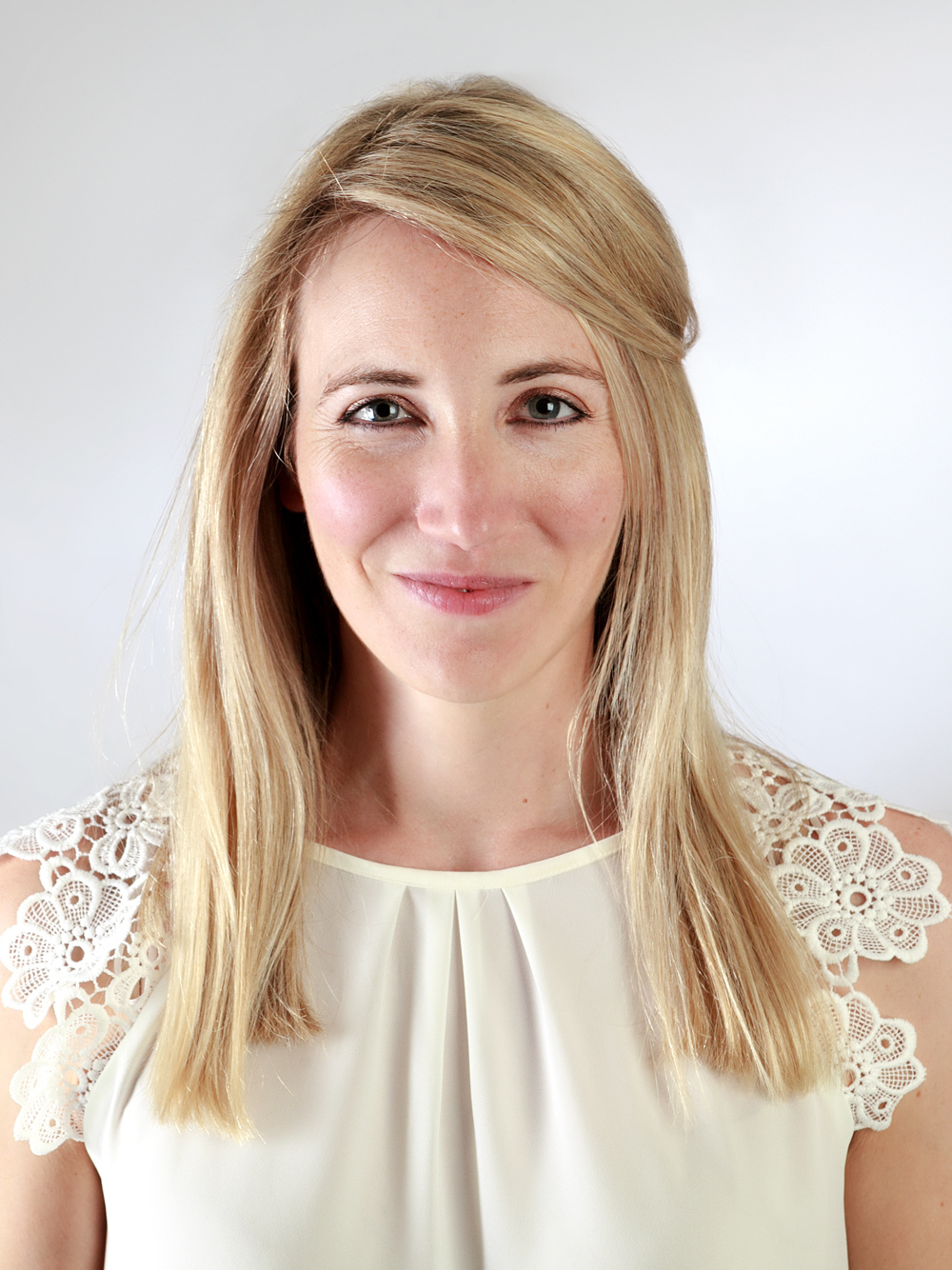
Alice offers Career Coaching for those in their 30s & 40s designed to help professionals feel less stressed (through somatic and nervous system regulation tools), as well as helping career-changers gain a clear vision of what career is right for them, and how to achieve it. She is also an accredited Coach Supervisor, and host of The Career Change Diaries podcast.